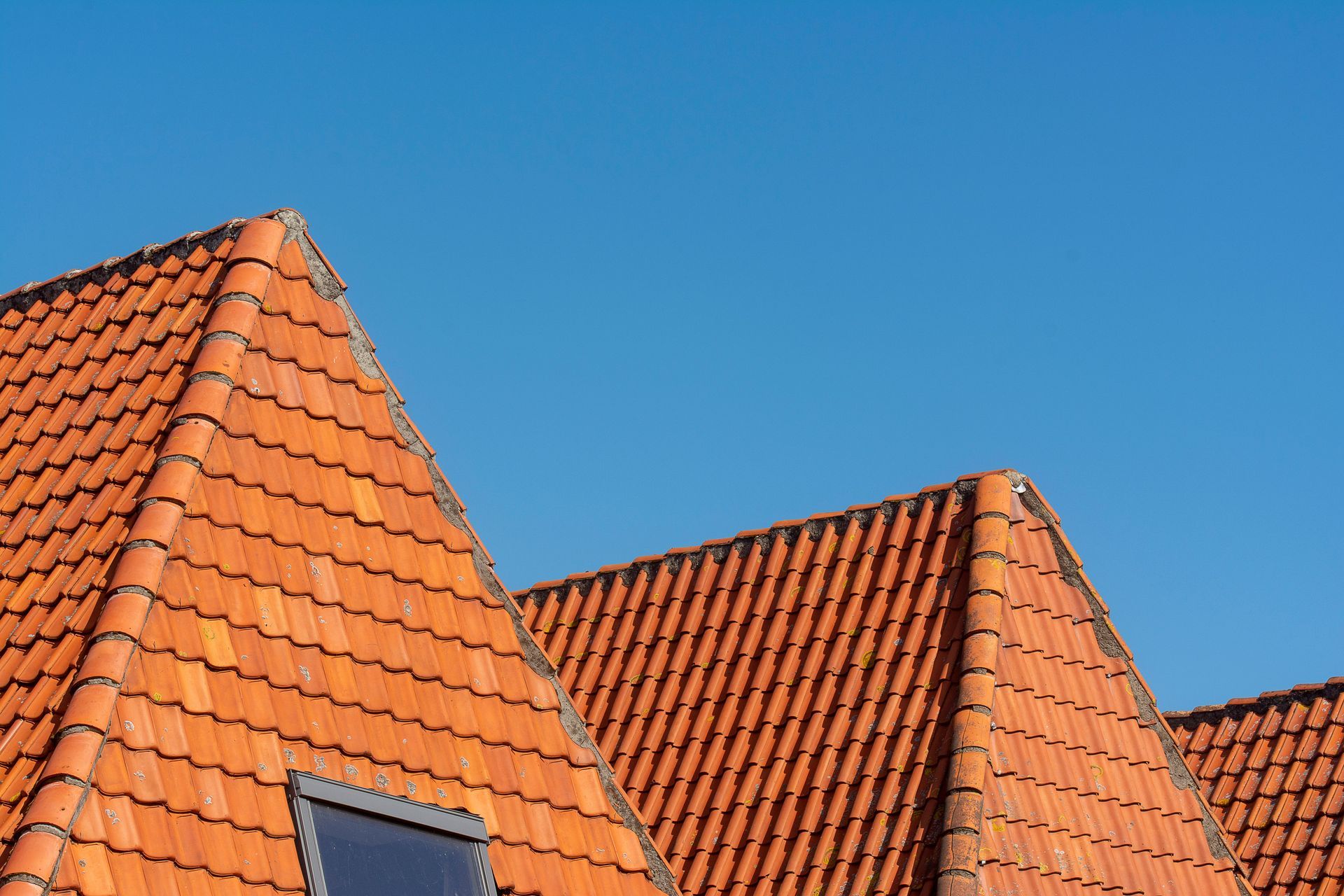
How Long Does It Take to Clean a Roof?
When you book a roof clean, one of the first practical questions is how long you will have a crew and equipment at your property, and how quickly the roof will look better. The honest answer is that it varies, but not randomly. The timing is driven by a handful of clear factors, and understanding them lets you set a realistic expectation for your own roof.
This guide explains how long roof cleaning typically takes, what makes one job quicker than another, and why the full result continues to develop after the cleaning visit is over.
The Typical Range
For most homes, a roof clean falls somewhere between a few hours and a full day. A modest roof with light-to-moderate growth and easy access sits at the shorter end, while a large, steep, or heavily mossed roof, or one that is awkward to reach, sits at the longer end and can occasionally run into a second visit.
It helps to think of the timing in two parts: the cleaning visit, when the crew is on site clearing the growth, and the ongoing effect of any biocide treatment, which continues working for months afterwards. The cleaning visit is what fills a morning, an afternoon, or a day. The biocide is what keeps improving and protecting the roof long after the crew has left.
What Affects How Long It Takes
Roof size. The larger the roof area, the more surface there is to clean, so size is the biggest single factor in how long a job takes. A large family home naturally takes longer than a small bungalow.
Amount and type of growth. A light film of algae clears faster than thick, established moss packed into the joints. Stubborn lichen adds time too. The heavier and more ingrained the growth, the longer the clearing takes.
Pitch and complexity. A steep roof, or one with many valleys, dormers, and angles, takes more time to work across carefully than a simple, shallow roof of the same area.
Access. Setting up safe access takes time, and a roof that is awkward to reach, over extensions, conservatories, or in tight spaces, adds to it. Positioning mobile scaffold towers for a complex property is more involved than a simple set-up.
Additional work.
Extras such as clearing the gutters, fascias, and soffits add to the time on site, though they are efficient to do in the same visit rather than as a separate trip.
Tip: When you get a quote, ask for an estimate of both the time on site and when you will see the full result. The two are different: the crew may finish in a day, but if a biocide is applied, the tiles will keep clearing over the following weeks. Knowing this in advance saves you wondering why dead moss is still visible shortly after the clean.
Why the Result Keeps Developing After the Visit
One point often surprises homeowners: the roof may not look completely finished the moment the crew packs up, and that is normal, not a sign of an incomplete job. Where a biocide has been applied, it continues to kill and loosen remaining growth over the following weeks, and that dead growth then weathers off gradually with wind and rain. The tiles keep clearing and lightening well after the visit.
This is a feature of thorough cleaning, not a shortcoming. A biocide's job is to keep working long after the crew has gone, slowing regrowth and continuing to improve the surface for months. So the cleaning visit itself is finite, a few hours to a day, but the protective effect is deliberately long-lasting. A Roof Cleaning with biocide aftercare is designed to keep delivering results long after the day of the work.
Access and set-up efficiency also mean related jobs are best combined. Clearing the
Gutter Cleaning during the same visit uses the access already in place, saving a separate trip. In our 15 years on Sussex roofs, planning the work this way keeps the time on site as efficient as possible while giving the roof lasting protection.
Most roof cleans take from a few hours to a full day, and larger or heavily mossed roofs can take longer or need more than one visit. The time depends on the roof's size, pitch, access, and how much growth there is. A biocide treatment applied afterwards keeps working for months, so the visible clearing of dead moss continues gradually well after the cleaning visit itself is finished.
Frequently Asked Questions
Can a roof be cleaned in a single day?
Many roofs can, particularly modest ones with reasonable access and light-to-moderate growth. Larger, steeper, or heavily mossed roofs, or those with awkward access, may take longer or occasionally need a second visit. The inspection is where a realistic time estimate is set for your specific roof, based on its size, pitch, access, and the amount of growth present.
Why is dead moss still on my roof after cleaning?
If a biocide has been applied, it continues to kill and loosen remaining growth over the following weeks, and that dead moss then weathers off gradually with wind and rain rather than all at once. This is normal and part of how the treatment works. The roof keeps clearing and improving after the visit, so some remaining dead growth shortly afterwards is expected, not a fault.
Does a bigger roof always take longer to clean?
Generally yes, because roof area is the main driver of cleaning time. A larger roof has more surface to clear. Even so, a smaller but very steep, complex, or hard-to-access roof can take as long as a bigger simple one. Size sets the baseline, while pitch, access, and the amount of growth adjust the time up or down.
Will cleaning the gutters at the same time add much time?
Clearing the gutters, fascias, and soffits does add to the time on site, but doing it in the same visit is efficient because it uses the access already set up rather than needing a separate trip. On some roof cleans this gutter and exterior clean is included after the roof work. Combining the jobs is quicker overall than booking them separately.
How soon after cleaning will my roof look its best?
The roof looks noticeably better straight after the cleaning visit, and if a biocide has been applied it continues to improve over the following weeks as remaining growth dies back and weathers off. So the biggest change is immediate, with further gradual clearing afterwards. Your inspector can give you a realistic sense of the timeline for your particular roof.
Get a clear timeline for your roof — Book a free inspection for an estimate of the time on site and the full result. Ben's Roof Cleaning plans efficient visits with lasting biocide protection. Call 0118 207 9318.
Time on Site, Protection Over Time
How long it takes to clean a roof comes down to its size, pitch, access, and the amount of growth, with most jobs running from a few hours to a full day and larger ones sometimes longer. Just as useful to understand is that the cleaning visit and the final result are two different timelines: the crew clears the roof in a day or so, while a biocide keeps working for months, so the tiles continue to clear and stay protected long after the work is done. Set your expectations around both, and the timing of a roof clean stops being a mystery and becomes a plan.