Why Is Standing on a Roof to Clean It Risky?
The most dangerous moment in a roof clean is often not the cleaning itself but the simple act of getting onto the roof and moving around on it. It looks simple enough from the ground, someone climbs up, walks across, does the work, but a pitched roof is one of the least forgiving places to stand, and moss makes it worse. Understanding why turns a casual DIY plan into a decision to keep both feet on the ground.
This guide explains the real risks of standing on a roof to clean it, both to the person and to the tiles, and why the safest cleaning keeps everyone off the slope.
The Danger to the Person
Working at height is one of the most common causes of serious injury in home maintenance, and a roof combines several hazards at once.
Slippery surfaces. Moss and algae make tiles genuinely slick, especially when damp. A surface that looks solid can offer very little grip, and cleaning inevitably involves water, which makes it slicker still.
Height with little to hold. A pitched roof offers few secure handholds and a long drop. A slip that would be trivial at ground level can be serious or worse from roof height.
Unstable footing. Tiles are not designed as a walking surface. They can move underfoot, and tiles weakened by moss or age can crack and give way when weight is put on them, turning a foothold into a fall.
Awkward access. Getting onto the roof usually means a tall ladder, and overreaching or losing footing on a ladder is itself a frequent cause of falls before the roof is even reached.
Warning: Falls from height during roof and ladder work cause serious injuries every year, and no amount of moss removal is worth that risk. If a cleaning plan depends on someone standing on the roof, that alone is reason enough to choose a method that does not. This is the single strongest argument for no-contact cleaning.
The Danger to the Tiles
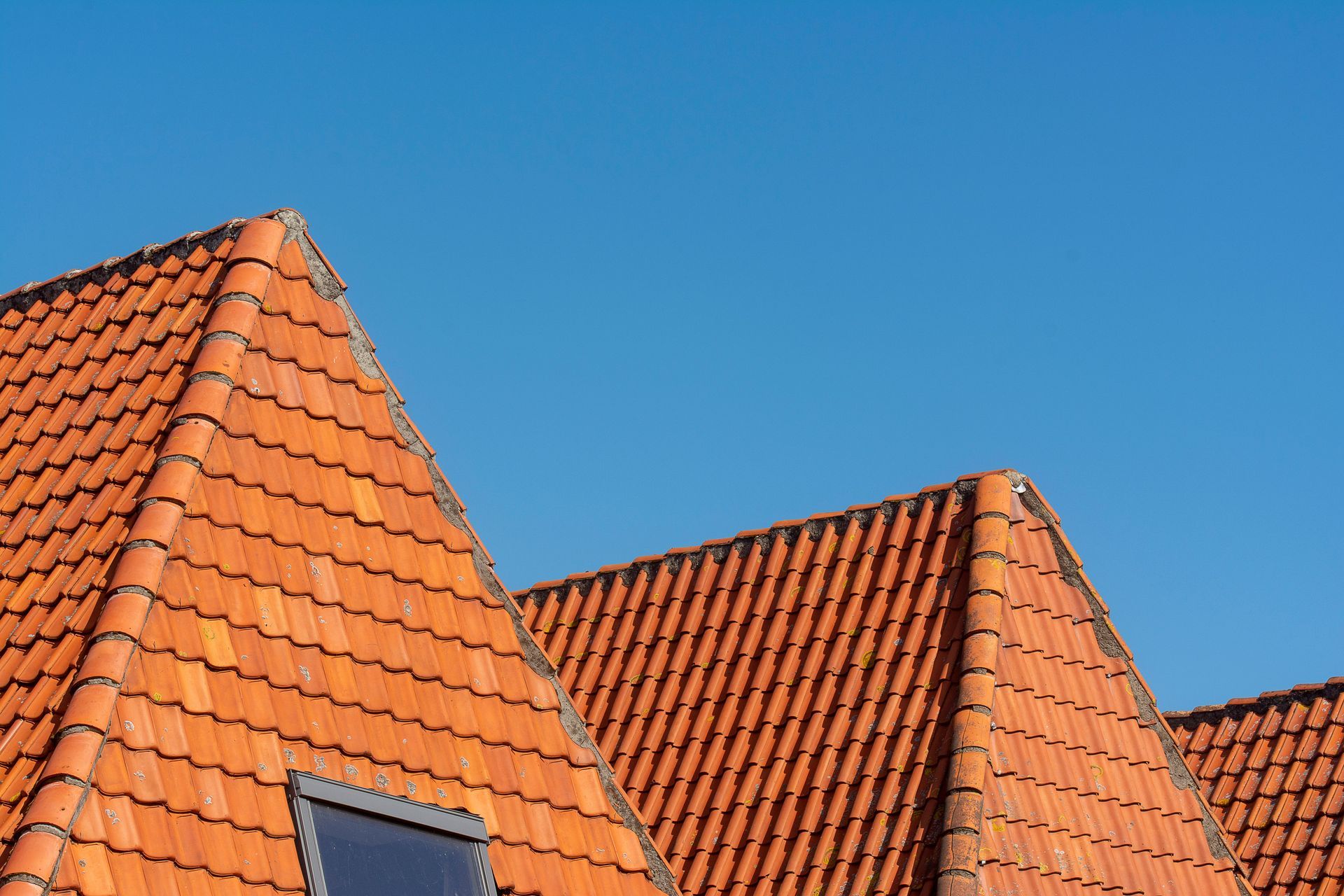
Even setting aside personal safety, walking on a roof risks the roof itself. Tiles are made to shed water in overlapping layers, not to bear the concentrated weight of a person moving across them.
Cracking underfoot. A person's weight focused through a foot can crack tiles, particularly older ones or those already weakened by long-term moss and damp. A single cracked tile can be the start of a leak.
Disturbing alignment. Walking the slope can shift tiles slightly out of position, and a displaced tile sheds water less effectively, letting rain track underneath toward the timber.
Compounding existing weakness. The mossy roofs most in need of cleaning are exactly the ones whose tiles are most likely to have been weakened, so the roofs where walking is most tempting are often the ones where it is most dangerous to the tiles.
The irony is sharp: standing on the roof to remove moss can cause the very tile damage and leaks that neglecting the moss might eventually have caused anyway.
How No-Contact Cleaning Removes the Risk
The solution to both dangers is the same, and it is elegantly simple: do not stand on the roof. No-contact cleaning removes moss, algae, and lichen while working from mobile scaffold towers positioned beside the roof or from ground level, using specialist water-based equipment to reach and clear the tiles from a safe position.
Because no one walks the slope, the risk of a fall is removed, and because no weight bears on the tiles, there is no cracking or displacement from footfall. The roof is cleaned thoroughly without anyone ever being on it. This is why professionals favour the approach on precisely the roofs that would be most hazardous to walk, steep pitches, tall properties, and heavily mossed surfaces. A Roof Cleaning done without contact protects the person and the tiles in one move. The same safe-access thinking applies to Gutter Cleaning, which can be handled with vacuum equipment from the ground rather than up a ladder.
In our 15 years on Sussex roofs, keeping off the tiles has been the foundation of cleaning safely, for the roof and for the people doing the work.
Standing on a roof to clean it is risky for two reasons: the danger to the person and the damage to the tiles. Moss-covered tiles are slippery, roofs are high with little to hold on to, and weakened tiles can crack underfoot, so falls and injuries are a serious hazard. Walking the slope also cracks tiles and disturbs their alignment, which can cause leaks. No-contact cleaning avoids both risks by keeping people off the roof entirely.
Frequently Asked Questions
Is it ever safe to walk on my own roof?
It is best avoided entirely. Roofs are slippery, high, and not built to be walked on, and moss-weakened tiles can crack underfoot. Even experienced trades treat walking a roof as a last resort with proper safety measures. For a homeowner, the safe assumption is that the roof should not be walked on, and any job that seems to require it should be left to no-contact professionals.
Why do some cleaners still walk on roofs?
Some traditional methods involve accessing the roof directly, but this carries the risks to both people and tiles described here. The move toward no-contact cleaning reflects a better understanding of those risks and the availability of equipment that reaches the tiles from towers or the ground. When choosing a cleaner, it is worth asking whether they walk the roof or work from safe access.
Does no-contact cleaning work on steep roofs?
Steep roofs are where no-contact cleaning is most valuable, because they are the most dangerous to walk and the most likely to have tiles crack underfoot. Working from scaffold towers and ground level, the method reaches steep slopes safely without anyone standing on them. Access is assessed during the inspection so the right equipment is used for the pitch and height of your roof.
Could walking on my roof cause a leak?
Yes. Walking the slope can crack tiles or shift them out of alignment, and both create routes for water to get past the tiles toward the timber. On a mossy roof with already-weakened tiles, this risk is higher. It is one of the reasons no-contact cleaning is preferred, keeping weight off the tiles avoids the footfall damage that can lead to leaks.
Is no-contact cleaning as thorough as cleaning from on the roof?
Yes. Working from towers or the ground, the method reaches and clears the tiles thoroughly, so the roof is cleaned just as effectively as it would be by someone on the slope, without the risks. A biocide applied afterwards keeps the roof clearer for longer. There is no cleaning benefit to standing on the roof that outweighs the dangers of doing so.
Keep everyone off your roof — Book a no-contact clean done safely from towers or the ground, never by walking your tiles. Ben's Roof Cleaning protects your roof and our team alike. Call 0118 207 9318.
The Safest Place to Clean a Roof Is Off It
Standing on a roof to clean it is risky on two fronts: it endangers the person, on a slippery, high, unstable surface with little to hold, and it endangers the tiles, which can crack and shift under a person's weight. Both risks are highest on exactly the mossy, weathered roofs that most need cleaning. The answer is not to walk the roof more carefully but not to walk it at all. No-contact cleaning removes the moss thoroughly from towers or the ground, taking the danger out of the job for both the roof and the people doing it. On a roof, the safest footing is no footing.