Why Reading's Victorian Terraces Grow Moss So Fast in the Thames Valley Climate
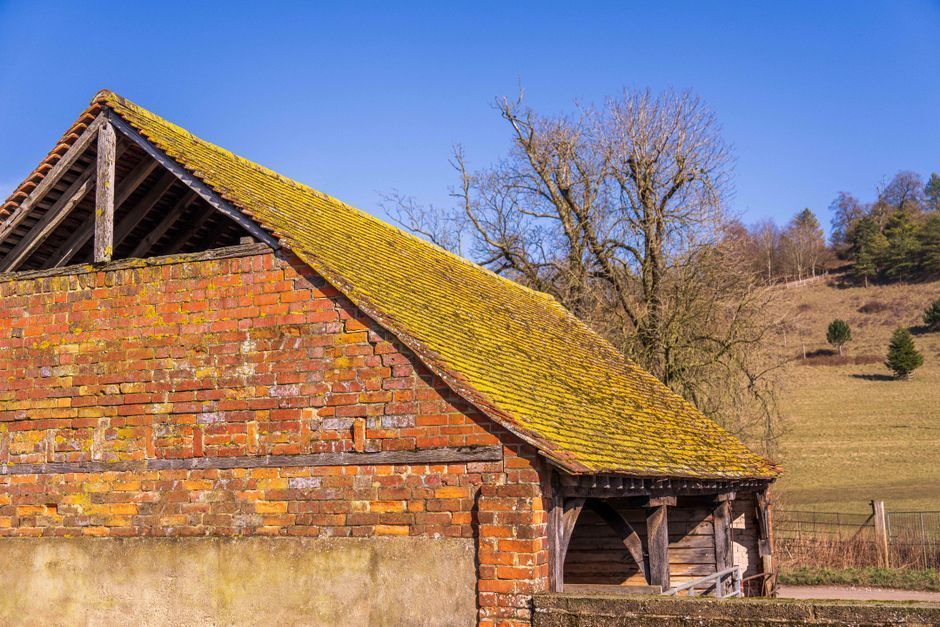
Walk down almost any street in Newtown, East Reading or parts of Caversham and you'll see it: thick green moss clinging to the ridge tiles of Victorian terraces, long after the neighbouring new-build looks bone dry. Moss removal in Reading is one of the most common jobs local roofers get called out for, and it isn't random bad luck. Reading's Victorian housing stock, its position at the meeting point of the Thames and the Kennet, and its narrow, tree-lined streets all work together to keep roofs damp for longer than most of the country. This guide looks at why that happens, what it does to a roof over time, and what actually helps.
The quick answer: Reading's Victorian terraces grow moss quickly because their slate and clay roofs sit close together in shaded streets, in a town built where two rivers meet, and because damp brick and old flashing details give spores somewhere reliable to settle and spread.
1. Reading's Victorian building boom, and why it still shapes the roofscape
Reading grew fast in the second half of the 19th century. The Great Western Railway arrived in 1840, and the town's biscuit, brewing and seed trades, Huntley & Palmers among them, pulled in workers who needed housing close to the factories and the station. Rows of terraces went up quickly along streets around Oxford Road, Silver Street and East Reading, using the slate and clay tile that was standard for the period.
Those roofs weren't built with today's ventilation or breathable membranes in mind. Many still have their original timber, sometimes with later re-tiling layered on top. That matters for moss, because older tiles tend to have a slightly rougher, more porous surface than modern concrete ones, which gives spores an easier foothold than they'd get on a smoother, newer roof.
2. Two rivers, one damp town: the Thames and Kennet effect
Reading sits where the River Kennet flows into the Thames, and that confluence shapes the local climate more than most people realise. River valleys hold moisture close to the ground overnight, and the flat, low-lying land around the water table in areas like Caversham and central Reading means mist and dew linger into the morning, especially through autumn and winter.
A roof that stays damp until mid-morning, day after day, never gets the chance to fully dry out between rain events. That's the exact condition moss and algae need to establish themselves and keep growing, season after season.
3. Reading's rainfall pattern: less total rain, more nagging dampness
Here's something that surprises a lot of homeowners: the Thames Valley isn't one of the wettest parts of the UK. Reading receives noticeably less annual rainfall than much of the west and north of the country. What it does get, though, is frequent, low-intensity rain and a lot of grey, overcast days, particularly through autumn and winter.
That pattern, frequent light rain and high humidity rather than occasional heavy downpours, is worse for moss growth than a wetter climate with more drying sunshine in between storms. Roofs get wet often and dry slowly. For moss spores, that's close to ideal.
4. Narrow streets and mature trees keep roofs in the shade
Victorian terraces were built close together, often facing directly onto narrow streets with little gap between roofs. Add in decades of mature planting, the kind of leafy avenues you'll see around Christchurch Meadows, parts of Tilehurst and the older streets of Caversham, and a lot of these roofs spend large parts of the day in shadow.
Shade slows evaporation. A north-facing slope tucked behind a tall tree or an adjoining terrace can stay damp for hours after a sunnier roof nearby has already dried out. Over a full winter, that difference adds up to weeks of extra dampness sitting on the tile.
5. Slate and clay tile: characterful, but moss-friendly
Slate and clay pantiles give Reading's terraces a lot of their character, and Reading Borough Council's conservation area rules, including those covering Castle Hill and parts of Caversham, exist partly to protect that look. But both materials have a texture that traps grit, pollen and organic debris more readily than smooth modern concrete tiles do.
That debris becomes a growing medium in its own right. Add years of leaf litter from nearby street trees and a slightly porous tile surface, and you end up with a ready-made seedbed sitting on every ridge and valley of the roof.
6. What moss actually does to a roof over time
Moss isn't only a cosmetic problem, even though that's usually what prompts the phone call. As it grows, it holds water directly against the tile surface for far longer than bare tile would. On older slate and clay, repeated freeze-thaw cycles in that trapped moisture can crack or lift tiles, and a thick moss cushion can lever tiles slightly out of place as it expands and contracts with the weather.
Moss and the grit it collects also wash into gutters, where they contribute to blockages that send water down the wrong side of a fascia board rather than into the downpipe. On solid brick Victorian walls without a cavity, that overflow is often the first stage of the damp patches homeowners later find inside.
7. Why pressure washing usually makes things worse
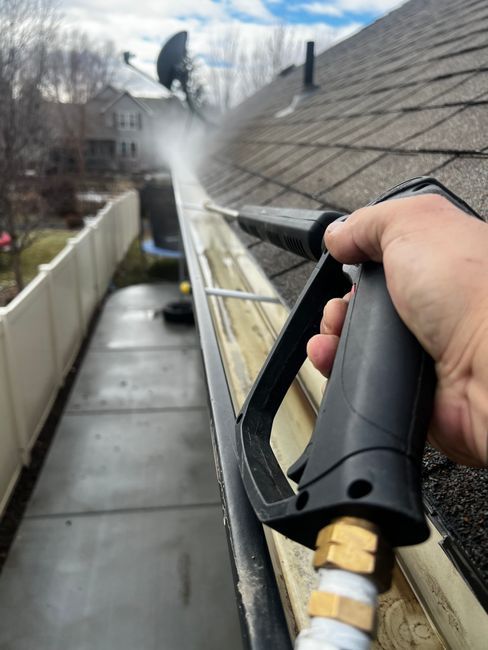
A lot of homeowners' first instinct is to hire a pressure washer and blast the moss off. On older slate and clay, that's a genuine risk. High-pressure water can strip the protective weathering layer off clay tiles, force water up under the tiles rather than off them, and dislodge tiles that are already loosened by age or moss growth.
Soft washing, a low-pressure application paired with a biodegradable treatment that kills moss and algae at the root, is the method most professionals now use on period roofs for exactly this reason. It clears the growth without the physical force that damages older materials.
8. Living in a conservation area doesn't mean you can't clean your roof
It's worth saying clearly: routine roof cleaning and moss removal count as maintenance, not alteration, so they don't usually need planning permission, even inside a conservation area. What conservation status affects is re-roofing or a change of materials. Keeping the existing slate or clay tile clean and moss-free, rather than letting damage build up to the point where sections need replacing, is generally the better outcome for a period property in these areas anyway.
9. What actually helps a Reading terrace stay cleaner for longer
None of this means you're stuck refighting the same moss every year. Regular gutter cleaning stops the grit and debris that feeds fresh growth from sitting in the gutter line. A soft wash every couple of years, timed for a dry spell, clears established moss before it can lift tiles. And keeping an eye on shaded, north-facing slopes, the ones under trees or wedged between terraces, catches regrowth early rather than after it's spread across half the roof.
- Thick moss on ridge or valley tiles that stays green and damp even after a few dry days in a row
- Grit and moss debris building up in gutters , especially on north-facing or shaded slopes
- Slipped or lifted tiles where a moss cushion has pushed them slightly out of alignment
- Green or black streaking running down from the ridge, usually a sign of algae alongside the moss
- Damp patches on internal ceilings or walls below a heavily mossed section of roof
If any of that sounds familiar, our guide on DIY moss removal versus a professional clean in Reading looks at when it's safe to tackle moss yourself and when it genuinely isn't. And if gutters are already part of the problem, our piece on blocked gutters and damp walls covers the connection in more depth.
Frequently Asked Questions
Why does moss grow faster in Reading than in drier parts of the country?
It comes down to how long roofs stay wet, not just how much rain falls. Reading's position near the Thames and Kennet, its shaded terraced streets and its pattern of frequent light rain all keep roof surfaces damp for longer, which suits moss far better than a drier climate with more direct sun.
Is moss on a Victorian slate roof more serious than on a modern concrete tile roof?
Generally, yes. Slate and clay are older materials that can be more brittle and are often original to the property, so lifted or cracked tiles from trapped moisture are more likely, and more disruptive to put right, than on a newer concrete tile roof.
Do I need permission to clean moss off my roof in a Reading conservation area?
No. Cleaning and moss removal count as routine maintenance rather than alteration, so they don't typically need planning permission, even within a designated conservation area such as Castle Hill or parts of Caversham.
How much does moss removal cost for a typical Reading terrace?
It depends on the roof's size, pitch, access and how heavy the moss growth is. Our guide on what affects the cost of roof cleaning in Reading
breaks down the main factors that shape the price.
Can I just leave the moss alone if it isn't causing a leak yet?
You can, but it rarely stays put. Moss spreads, holds more water each season, and gradually raises the risk of lifted tiles and blocked gutters. Dealing with it while it's still a surface issue is usually far simpler than waiting until it's caused damage underneath.
Does moss removal damage old slate or clay tiles?
Done properly, no. Soft washing at low pressure with a biodegradable treatment is designed to protect older, more fragile tile surfaces. It's high-pressure washing, not moss removal itself, that tends to cause damage on period roofs.
Got moss building up on a Victorian roof in Reading?
Ben's Roof Cleaning has over 15 years of experience clearing moss and algae from period and modern roofs across Reading and Berkshire, using soft washing methods suited to older slate and clay. Get in touch or call 0118 207 9318
for a free, no-obligation quote.
A damp climate and an older roof are a predictable combination, not a mystery
Once you see how Reading's rivers, its shaded Victorian streets and its slate and clay roofing all point in the same direction, the moss on a terrace roof stops looking like bad luck and starts looking like something you can actually plan around. Regular gutter clearing, a soft wash on the right schedule, and an eye on the shadiest slopes will keep a period roof doing its job for years, without forcing a repair bill that never needed to happen.